
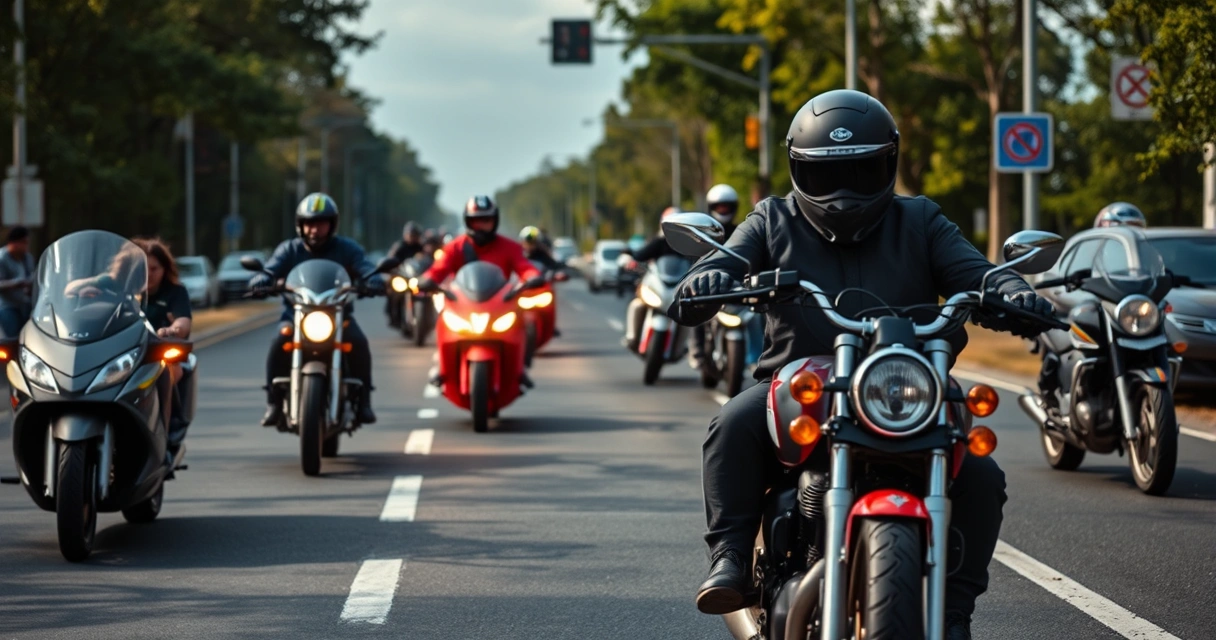
Blue Lane for Motorcyclists: Embracing Civility Beyond Markings for Safer Roads
The rise in the number of motorcyclists on Brazilian roads has brought with it a pressing need for innovative solutions to enhance road safety. As the fleet of motorcycles continues to grow, so does the incidence of traffic accidents, often leaving riders vulnerable to serious injuries. One promising initiative aimed at mitigating these risks is the implementation of blue lanes specifically designed for motorcyclists. These lanes not only offer designated space for riders but also foster a culture of civility and respect among all road users.

This article explores the concept of blue lanes for motorcyclists, examining their benefits, the challenges they address, and their potential to significantly improve road safety on Brazilian roads. We will delve into why it’s essential for motorcyclists to embrace the use of these lanes and how such initiatives can encourage a more harmonious coexistence on the road.
Understanding the Blue Lane Concept
The blue lane for motorcyclists is a dedicated strip on the road that allows motorcycles to travel safely and efficiently. This concept is not merely about painting a lane blue; it encompasses a broader vision of ensuring that motorcyclists have a secure space to navigate through traffic. The initiatives related to blue lanes are designed to address the unique challenges faced by motorcyclists, such as the risk of accidents and the need for better traffic management.
What Makes the Blue Lane Different?
Unlike standard lanes, blue lanes are specifically marked and often come with additional signage and safety features. They typically provide a buffer between motorcyclists and larger vehicles, reducing the likelihood of collisions. Moreover, these lanes can serve as a visual reminder for other road users to be more cautious and aware of the presence of motorcyclists.
The Need for Blue Lanes in Brazil
Brazil has witnessed a staggering increase in motorcycle usage over the years, leading to a corresponding rise in traffic accidents. According to recent statistics, motorcycles account for a significant percentage of road accidents, often resulting in severe injuries or fatalities. The need for blue lanes arises from the following key factors:
- High Accident Rates: Motorcyclists are disproportionately affected by traffic accidents, with many incidents leading to critical injuries.
- Traffic Congestion: Brazilian cities face severe traffic congestion, making it difficult for motorcyclists to navigate safely among larger vehicles.
- Lack of Awareness: Many drivers are not accustomed to sharing the road with motorcyclists, leading to misunderstandings and accidents.
- Infrastructure Gaps: The existing road infrastructure often lacks adequate provisions for motorcyclists, necessitating the creation of dedicated lanes.
Benefits of Blue Lanes for Motorcyclists
The implementation of blue lanes offers numerous benefits that extend beyond mere road markings. Here are some of the most significant advantages:
Enhanced Safety
The primary benefit of blue lanes is the improved safety for motorcyclists. By providing a designated space, these lanes help reduce the likelihood of accidents involving cars and trucks, which are often the leading cause of fatalities among motorcyclists.
Encouraging Responsible Riding
With clear demarcations for motorcyclists, the blue lane initiative promotes responsible riding. Motorcyclists are encouraged to use these lanes, which can lead to better riding habits and a culture of safety. Additionally, drivers are reminded to be vigilant and respectful towards riders in these designated spaces.
Improved Traffic Flow
Blue lanes can contribute to smoother traffic flow by providing motorcyclists with a clear path, thereby reducing the instances of motorcycles weaving between vehicles. This can lead to a reduction in congestion as well, as motorcycles can navigate the lanes more efficiently.
Community Awareness and Education
Implementing blue lanes can serve as a catalyst for broader community awareness regarding motorcycle safety. Public campaigns and educational programs can be launched alongside the installation of blue lanes, focusing on the importance of sharing the road and the rights of motorcyclists.
Challenges in Implementing Blue Lanes
While the idea of blue lanes is promising, several challenges must be addressed to ensure effective implementation:
Cost of Infrastructure
Establishing blue lanes requires investment in infrastructure, including road markings, signage, and possibly physical barriers. Securing funding for these projects can be a significant hurdle for municipalities.
Legislation and Regulation
For blue lanes to be effective, there must be legal backing that defines their use and establishes penalties for violations. This necessitates collaboration between government agencies and law enforcement to create and enforce regulations.
Public Perception and Acceptance
Changing the mindset of drivers and motorcyclists alike is crucial. Public perception campaigns are necessary to educate all road users about the benefits of blue lanes and the importance of mutual respect on the road.
Frequently Asked Questions (FAQ)
1. What are blue lanes for motorcyclists?
Blue lanes are designated sections of the roadway specifically for motorcyclists, aimed at improving their safety and promoting a better traffic flow.
2. How do blue lanes improve road safety?
By providing a dedicated space for motorcycles, blue lanes reduce the chances of accidents involving larger vehicles and encourage safer riding practices.
3. Are blue lanes already in use in Brazil?
Yes, some Brazilian cities have begun implementing blue lanes as part of broader traffic safety initiatives, but there is still much work to be done for widespread adoption.
4. What can motorcyclists do to promote the use of blue lanes?
Motorcyclists can advocate for the implementation of blue lanes, participate in community safety programs, and practice responsible riding within designated areas.
5. Will blue lanes eliminate all motorcycle accidents?
While blue lanes will significantly reduce the risk of accidents, they cannot eliminate them entirely. Continuous education, enforcement of traffic laws, and responsible riding are essential for overall safety.
Conclusion
The introduction of blue lanes for motorcyclists represents a significant advancement in road safety initiatives aimed at addressing the growing concerns surrounding motorcycle usage in Brazil. By providing a dedicated space for riders, blue lanes not only enhance safety but also cultivate a culture of respect and civility among all road users. While challenges exist in terms of implementation and public acceptance, the benefits far outweigh the obstacles. It is crucial for both the government and the community to work together to promote these lanes and ensure that Brazilian roads are safer for everyone.
📰 Original Source
Este artigo foi baseado em informações de: https://autopapo.com.br/noticia/faixa-azul-moto/